Ritual Guide
Why Medically Led Aesthetics Matters
Aesthetic treatments may be popular and widely available, but they are still medical treatments that require knowledge, judgment, and individualized care. Whether a patient is considering Botox, filler, laser skin rejuvenation, regenerative aesthetics, or wellness-focused treatments, the quality of the provider’s assessment matters.
At Ritual by Tracy Holzman NP-C, aesthetics is approached through a medically led lens. That means treatment decisions are guided by anatomy, safety, clinical experience, long-term planning, and a commitment to natural-looking results.
This guide explains what medically led aesthetics means and why it matters when choosing an aesthetic practice. It covers provider credentials, clinical judgment, consultation quality, treatment safety, individualized planning, and how medical leadership can support more refined, natural-looking results.
Patients can use this guide to better understand the difference between a treatment that is simply performed and care that is thoughtfully assessed, planned, and guided by medical expertise.
TABLE OF CONTENTS
- 1. What Does Medically Led Aesthetics Mean?
- 2. Why Credentials Matter in Aesthetic Medicine
- 3. Why Consultation Quality Matters
- 4. How Medical Judgment Shapes Natural-Looking Results
- 5. Why Safety Should Be Part of the Aesthetic Conversation
- 6. The Difference Between Treatment and Treatment Planning
- 7. Why Medically Led Care Supports Long-Term Healthy Aging
- 8. Medically Led Aesthetics at Ritual by Tracy Holzman NP-C
- 9. Frequently Asked Questions
1. What Does Medically Led Aesthetics Mean?
Medically led aesthetics means aesthetic treatments are guided by medical knowledge, clinical judgment, and thoughtful assessment rather than trend-driven recommendations or one-size-fits-all protocols. It means the provider is evaluating the patient as a whole, not simply performing a requested service.
In a medically led practice, treatment planning considers anatomy, skin type, health history, facial movement, tissue quality, aging patterns, lifestyle, safety, and long-term goals. This approach is especially important in treatments such as Botox, dermal filler, lasers, biostimulators, PRF, chemical peels, medical-grade skincare, and wellness-related therapies.
Medically led aesthetics does not mean the experience should feel cold or clinical. It means the care is elevated by a stronger foundation of knowledge and responsibility. The best aesthetic experience can feel warm, refined, and personal while still being grounded in safety, anatomy, and clinical expertise.
At Ritual, medically led care is central to how treatment recommendations are made. The goal is not simply to perform treatments. The goal is to help patients make informed decisions that support natural-looking results, skin health, and confidence over time.
Medically led aesthetics means your treatment plan is guided by clinical judgment, not trends.
A thoughtful consultation helps determine what should be treated, what should wait, and what may not be needed at all.
2. Why Credentials Matter in Aesthetic Medicine
Credentials matter because aesthetic treatments involve anatomy, physiology, healing, risk, and medical decision-making. Even treatments that may appear quick or simple can require careful judgment. Botox involves muscle movement and dosing. Filler involves facial structure and vascular safety. Lasers involve skin type, pigment response, energy settings, and healing. Wellness treatments require appropriate screening and patient education.
Patients may assume aesthetic treatments are low-risk because they are common. But common does not mean simple. A qualified medical provider should understand not only how to perform the treatment, but also when a patient is not a good candidate, when to recommend a different option, and how to manage or prevent complications.
Strong credentials also support better consultation quality. A medically trained provider can evaluate a patient’s concerns in context and explain why certain treatments may or may not be appropriate. This helps patients feel more informed, more comfortable, and more confident in their care.
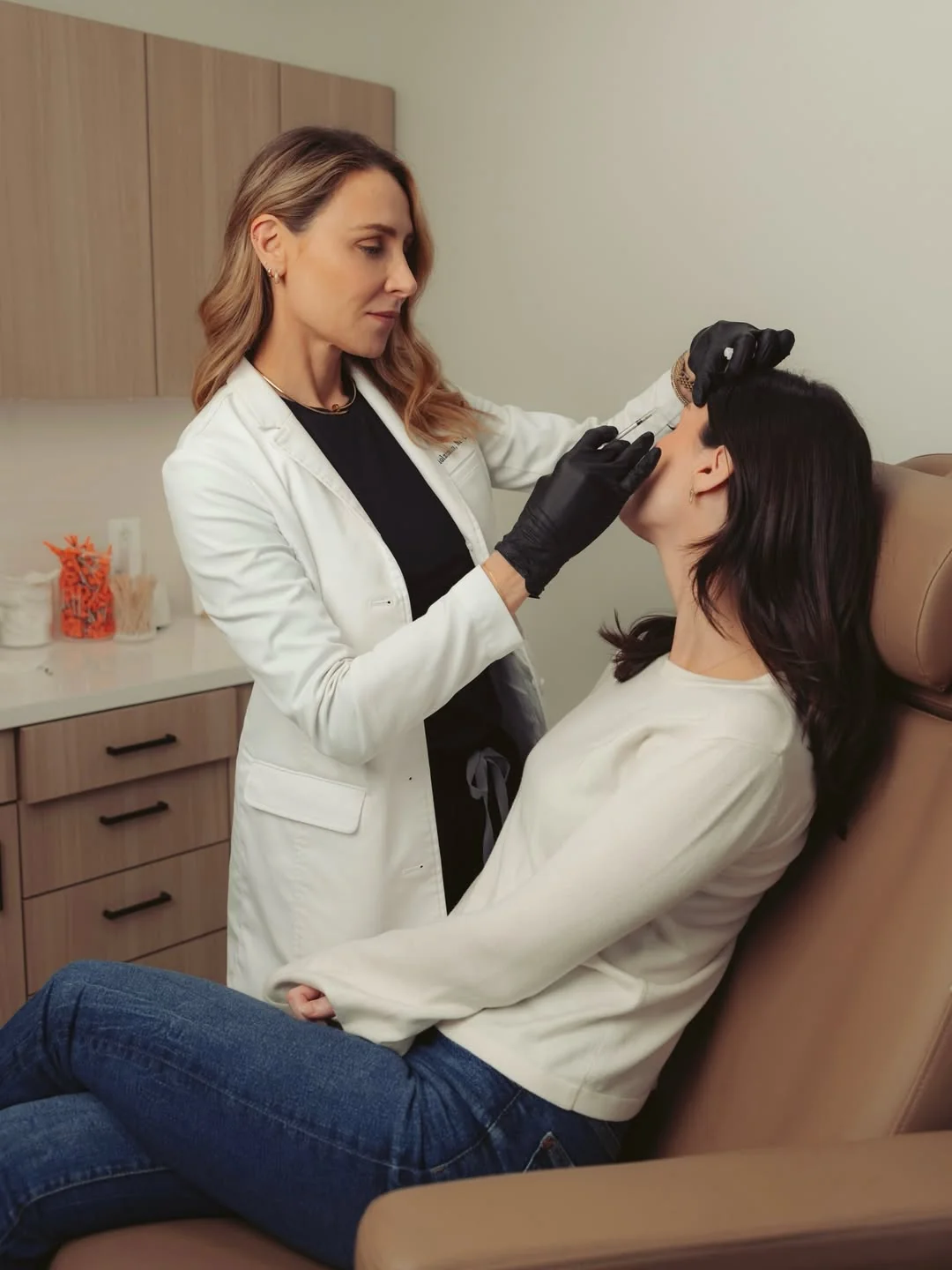
At Ritual by Tracy Holzman NP-C, treatments are performed by board-certified nurse practitioners and trained professionals working within a medically led environment. This supports a more thoughtful and clinically grounded approach to aesthetic medicine.
3. Why Consultation Quality Matters
A strong consultation is one of the most important parts of a medically led aesthetic experience. The consultation is where the provider evaluates the patient’s goals, anatomy, skin, movement, lifestyle, medical history, and expectations before recommending a plan.
A rushed consultation can lead to generic treatment. A thoughtful consultation allows the provider to understand what the patient is truly hoping to improve and whether the requested treatment is the best option. Sometimes the right answer is a different treatment. Sometimes it is a staged plan. Sometimes it is doing less than the patient originally expected.
For example, a patient may come in asking for filler, but the more appropriate plan may involve skin tightening, collagen stimulation, or laser resurfacing. Another patient may ask for Botox in one area, but their facial movement may require a more balanced approach. Someone interested in a laser treatment may need skin preparation before treatment for safety and better results.
The quality of the consultation often determines the quality of the outcome. In a medically led practice, the consultation should feel educational, collaborative, and individualized rather than transactional.
4. How Medical Judgment Shapes Natural-Looking Results
Natural-looking results require more than technical skill. They require judgment. A provider must understand facial balance, proportion, movement, tissue quality, aging patterns, and how one treatment decision may affect the overall appearance of the face.
Medical judgment helps determine how much treatment is appropriate, where treatment should be placed, and whether a patient’s goal can be achieved safely and naturally. It also helps guide restraint. In aesthetics, more is not always better. A medically led provider should understand when subtle treatment will create a better result than aggressive correction.
This matters across all areas of aesthetics. Botox should soften movement without making the face look frozen. Filler should restore or refine without distorting natural proportions. Lasers should be selected based on skin type, concern, and downtime. Skin and wellness treatments should be recommended based on patient needs rather than trends.
At Ritual, natural-looking results are supported by a medically led process. The goal is to help patients look refreshed, balanced, and like themselves, not altered or overtreated.
5. Why Safety Should Be Part of the Aesthetic Conversation
Safety should never feel separate from beauty. It should be built into every aesthetic decision. A medically led practice considers safety before, during, and after treatment.
This includes reviewing health history, medications, allergies, pregnancy or breastfeeding status, prior treatments, skin type, healing history, and other factors that may affect candidacy. It also includes using appropriate protocols, sterile technique, product knowledge, post-care instructions, and follow-up guidance.
Patients should feel comfortable asking about safety. They should know who is performing the treatment, what credentials that provider has, what product or device is being used, and what to expect afterward. A strong provider should welcome these questions and answer them clearly.
Aesthetic treatments should never feel rushed or casual just because they are popular. When treatments are medically guided, patients are more likely to receive care that is appropriate, thoughtful, and aligned with both their goals and their safety.
6. The Difference Between Treatment and Treatment Planning
There is an important difference between receiving a treatment and receiving a treatment plan. A treatment is a single service. A treatment plan considers the bigger picture.
A patient may ask for Botox, filler, laser, or skincare, but a medically led provider should think beyond the immediate request. What is the underlying concern? Is the issue related to muscle movement, volume loss, skin quality, pigmentation, redness, laxity, or overall aging changes? What should be prioritized first? What can be improved now, and what should be maintained over time?
Treatment planning helps prevent overtreatment and supports more natural outcomes. It also helps patients understand how different treatments may work together. For example, lasers may improve skin tone and texture, injectables may support facial balance, and skincare may help maintain results. These treatments can be more effective when they are part of a thoughtful plan rather than isolated decisions.
At Ritual, treatment planning is part of the patient experience. The goal is to help patients understand what is recommended, why it is recommended, and how it fits into their broader aesthetic and healthy aging goals.
A treatment addresses a concern. A treatment plan supports the bigger picture.
7. Why Medically Led Care Supports Long-Term Healthy Aging
Healthy aging is not about chasing every line or trying to look younger at all costs. It is about supporting the skin, face, and body in a way that feels balanced, confident, and sustainable over time.
A medically led approach is especially valuable for long-term healthy aging because it helps prioritize what matters most. Some patients may benefit from preventive Botox. Others may need collagen stimulation, skin resurfacing, pigment correction, medical-grade skincare, or wellness support. The right plan depends on the patient’s anatomy, age, goals, lifestyle, and treatment history.
Long-term planning also helps avoid reactive or excessive treatment. Instead of waiting until concerns become more advanced, patients can make smaller, more strategic decisions over time. This often supports results that feel more natural and easier to maintain.
At Ritual, healthy aging is approached as a thoughtful, individualized process. The focus is not on changing who a patient is. The focus is on helping them look and feel refreshed, confident, and aligned with themselves at every stage.
8. Medically Led Aesthetics at Ritual by Tracy Holzman NP-C
Ritual by Tracy Holzman NP-C is a luxury medical aesthetics practice in Washington, DC built around a medically led approach to natural-looking results, skin health, and healthy aging.
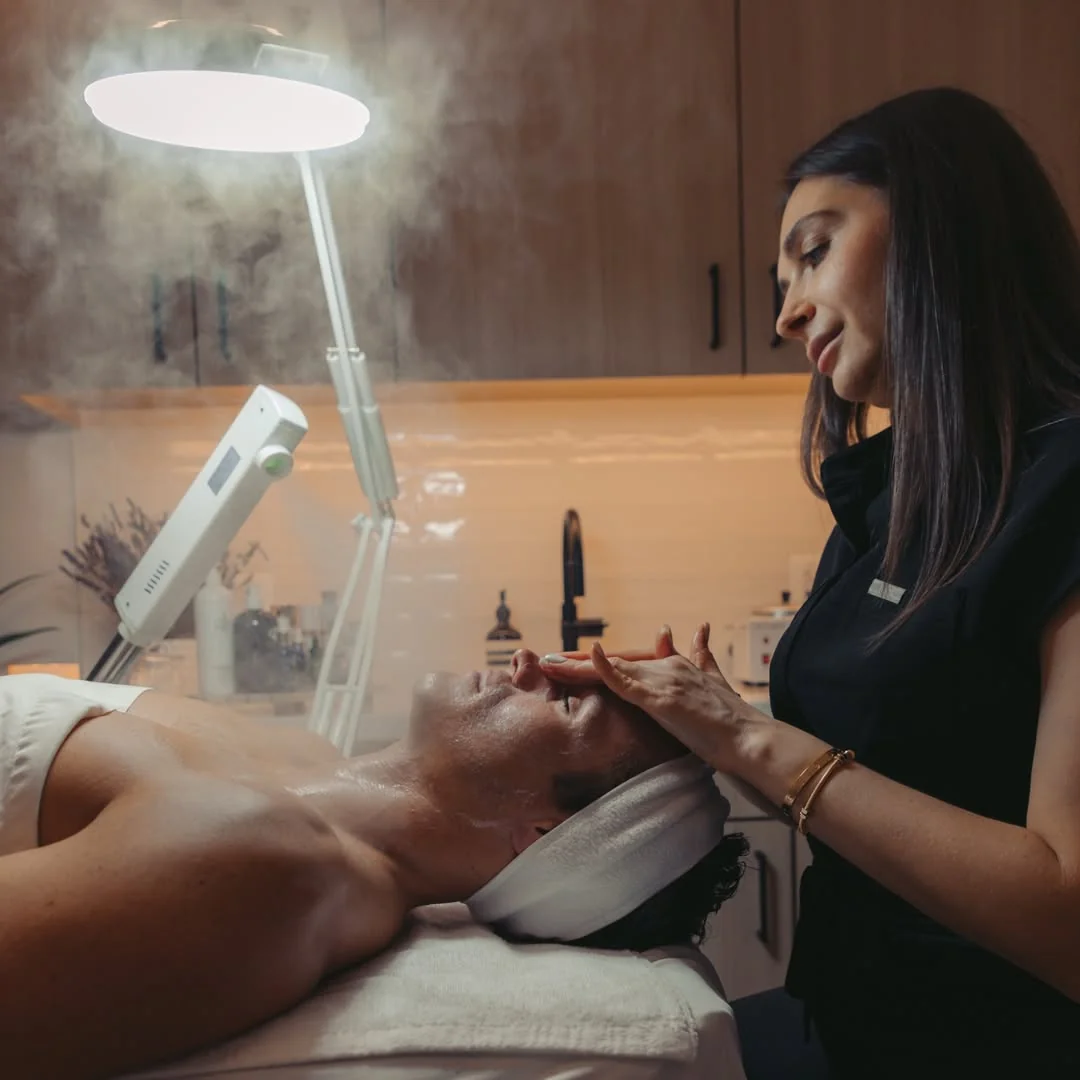
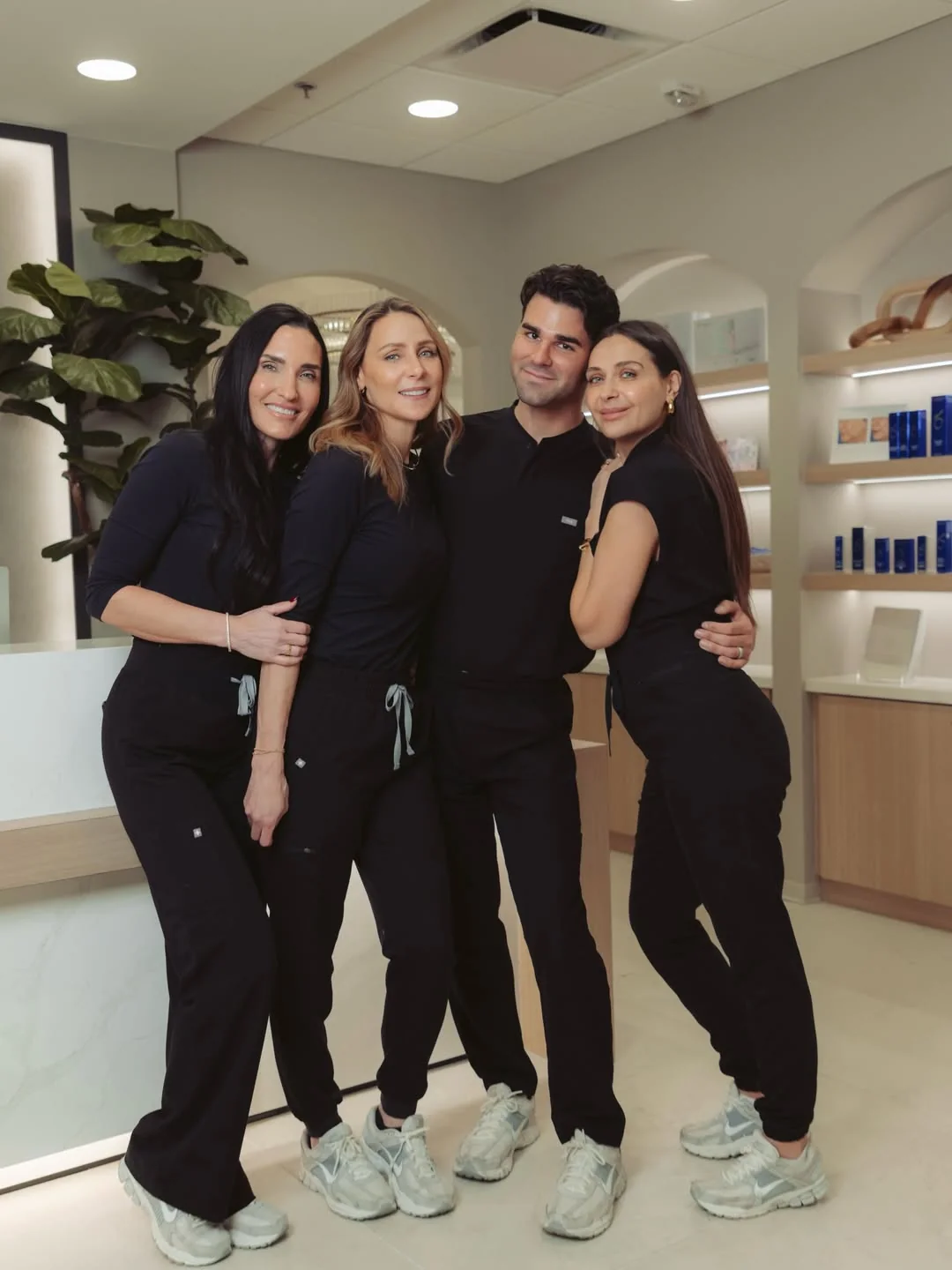
At Ritual, patients are cared for by board-certified nurse practitioners and trained professionals who prioritize thoughtful assessment, patient education, safety, and individualized treatment planning. The practice offers injectables, laser and light-based treatments, skin health services, regenerative aesthetics, and wellness-focused treatments within a clinical yet refined environment.
Patients often come to Ritual because they want more than a quick treatment. They want guidance, honesty, and a provider who understands how to create results that feel polished, subtle, and appropriate. They want to feel informed rather than pressured. They want a plan that reflects their face, skin, goals, and long-term confidence.
Medically led aesthetics matters because the best results are not just about what is done. They are about why it is done, how it is planned, and who is making the decision.
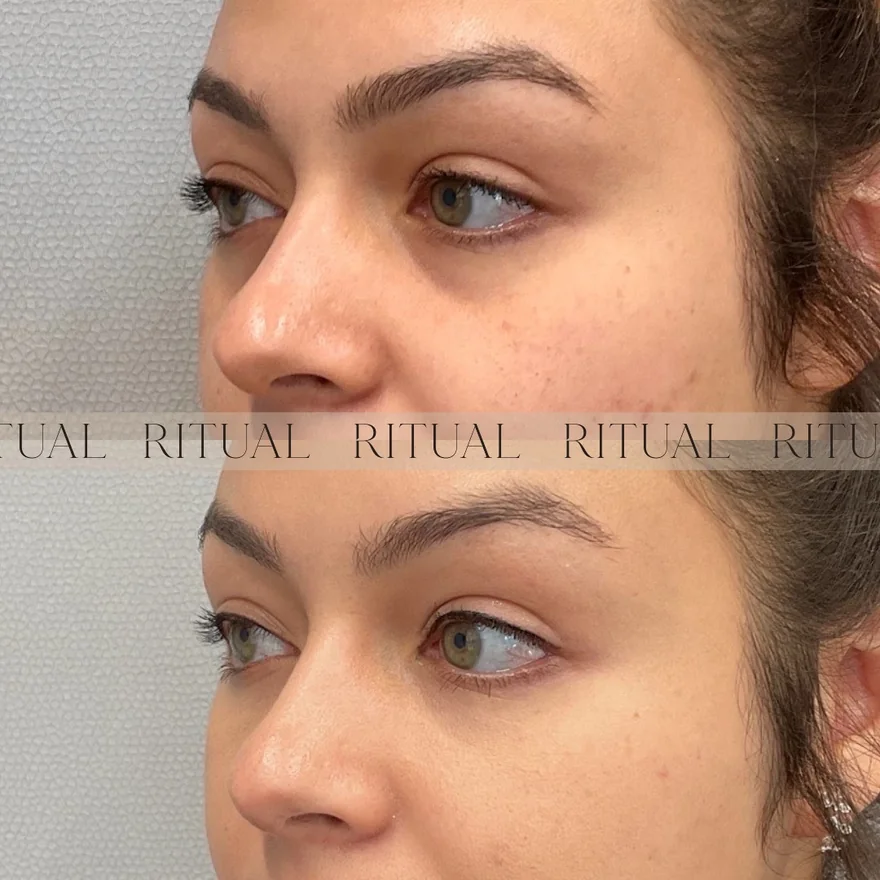
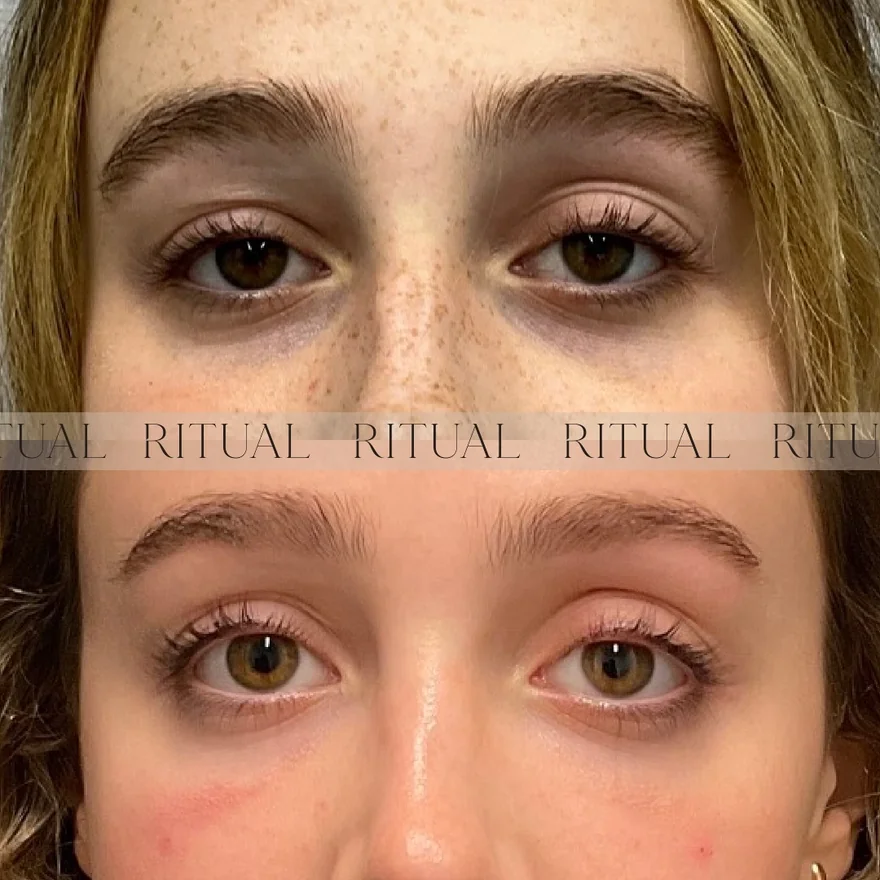
Patients interested in learning more can explore Ritual’s treatment options, meet the providers, view results, or schedule a consultation.
Explore Related Ritual Resources

Frequently Asked Questions
Medically led aesthetics means treatments are guided by medical knowledge, clinical judgment, safety protocols, and individualized assessment. It means the provider considers anatomy, health history, skin type, facial movement, goals, and long-term planning before recommending treatment.
Medical leadership matters because aesthetic treatments involve anatomy, safety, dosing, healing, device settings, product selection, and risk management. A medically led practice can provide a more thoughtful and clinically grounded approach to treatment planning.
Many aesthetic treatments are medical treatments, even when they are performed for cosmetic goals. Botox, filler, lasers, biostimulators, PRF, chemical peels, and wellness-related therapies all require appropriate training, assessment, and safety considerations.
Patients should look for qualified providers, clear credentials, thoughtful consultations, individualized treatment plans, safety protocols, honest recommendations, and an aesthetic philosophy that aligns with their goals.
No. A medically led practice can still feel warm, refined, and personal. The difference is that the patient experience is supported by clinical judgment, medical standards, and thoughtful treatment planning.
Injectables require knowledge of facial anatomy, muscle movement, vascular structures, product behavior, dosing, and complication prevention. Credentials help ensure the provider has the medical foundation needed to make safe and appropriate decisions.
Laser treatments require understanding of skin type, pigment response, device settings, healing, sun exposure, contraindications, and post-care. Proper assessment helps reduce risk and improve treatment planning.
Medically led care supports natural-looking results by combining anatomical knowledge, restraint, safety, and individualized treatment planning. The provider considers the whole face or skin concern rather than treating one area in isolation.
Yes. A consultation allows the provider to evaluate the patient’s goals, anatomy, skin, movement, medical history, expectations, and candidacy before recommending treatment. It is one of the most important parts of a safe and thoughtful aesthetic experience.
Experience Medically Led Aesthetics at Ritual by Tracy Holzman NP-C
If you are looking for a medical aesthetics practice in Washington, DC that values natural-looking results, clinical judgment, thoughtful consultation, and individualized care, Ritual offers a refined, medically led approach to injectables, lasers, skin health, and healthy aging.

Schedule An appointment
At Ritual, we set a new standard of care in aesthetic medicine. As a trusted medical practice specializing in aesthetics, we prioritize safe, effective, and natural-looking outcomes using evidence-based treatments tailored to each patient.